

How dangerous is stress for your heart and why you should start thinking about it today
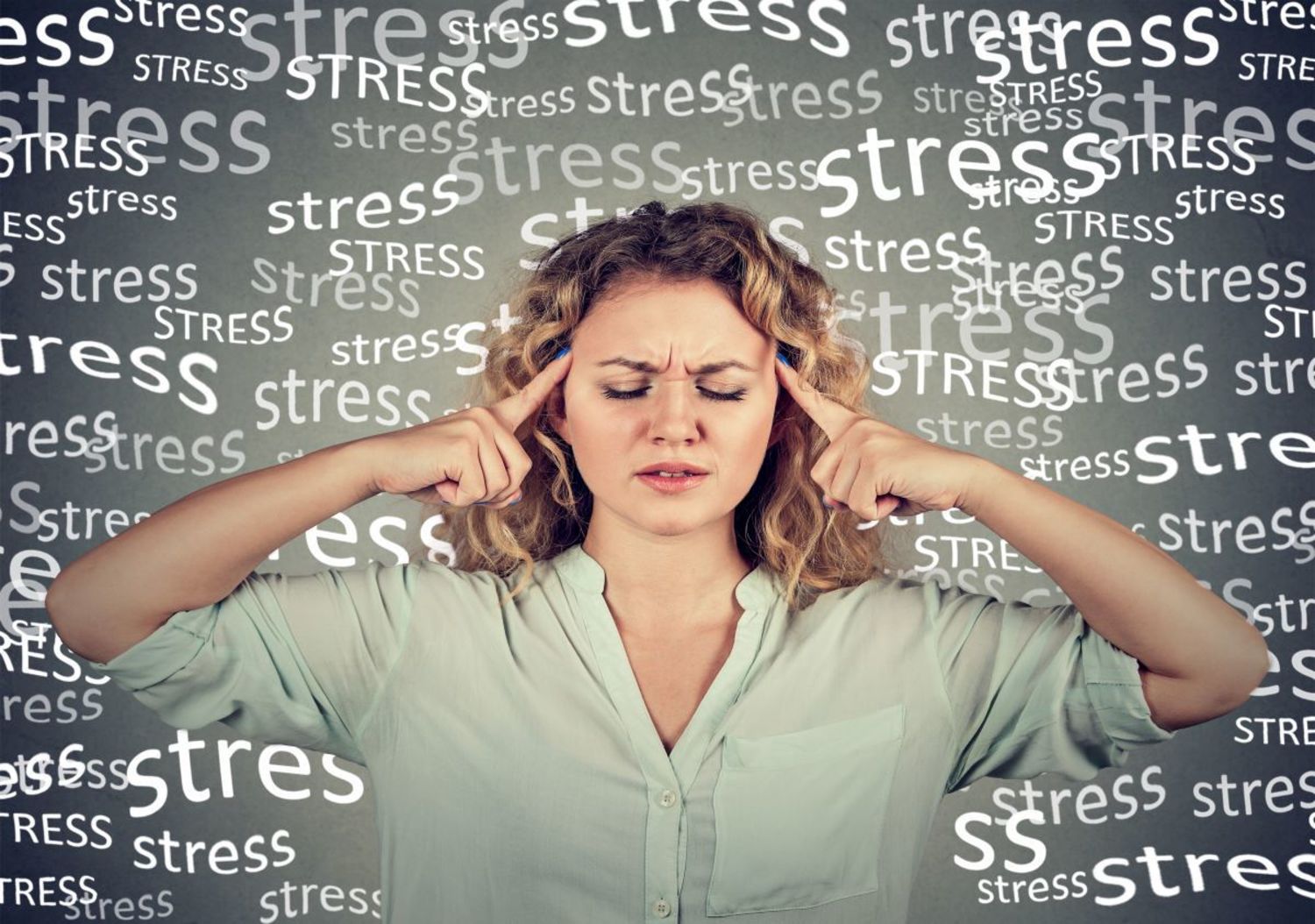
Many people consider stress a normal part of life and do not pay much attention to it. However, the heart reacts to intense emotional strain much more acutely than we might think. Modern research proves that constant tension not only brings down your mood, but also significantly increases the risk of a heart attack. In this article, you will learn how stress damages the heart, which symptoms should not be ignored, and which simple habits can help protect you from serious consequences.
Why stress becomes an enemy of the heart and undermines health
Scientists have long noticed a connection between chronic stress and the development of cardiovascular diseases. Regular emotional upheavals contribute to increased blood pressure, accelerate heart rate, and create conditions for blood clots to form. Stress is not only an emotional reaction to events, but also a physiological factor that directly affects the functioning of blood vessels and the myocardium. It is important to understand that even if you do not feel anxious, your body may be in a state of hidden tension.
How different types of stress attack the body and lay the groundwork for disease
There are two types of stress: acute and chronic. Acute stress occurs suddenly, for example, after an accident, surgery, or unexpected loss. At such moments, the body releases a large amount of hormones to mobilize its resources. Chronic stress develops slowly, when a person is constantly worried about work, finances, or family problems. Ongoing tension leads to disruptions in the hormonal system and chronic inflammation.
With the rapid development of technology, new sources of stress are emerging that seemed insignificant just ten years ago. Constant access to work chats, email on your smartphone, endless notifications, and the need to be available 24/7 create the feeling that it is impossible to relax. All this leads to emotional burnout and chronic tension, even if outwardly a person seems calm. Digital overload affects not only adults but also young people, forming in them a habit of constantly expecting new stressful stimuli.
The online entertainment and iGaming industry—gambling, betting, and online casinos—deserves special attention. As statistics from industry websites show, such entertainment has become quite popular due to the increase in various promotions. In preparing this article, we analyzed several such sites and visit here to see the growth in the number of no deposit bonuses in online casinos. Unsurprisingly, the number of players is also increasing, which means this problem is becoming more relevant.
Such platforms often use psychological triggers that cause rapid addiction and emotional ups and downs: from the euphoria of winning to disappointment and anxiety after losing. Users of iGaming platforms often face insomnia, blood pressure fluctuations, and feelings of anxiety, which negatively affect heart health. It is important to be aware of the risks and not allow virtual entertainment to become a constant source of chronic stress.
The harm from stress is amplified if a person faces additional risk factors:
• Lack of or poor-quality sleep, especially with apnea
• Smoking
• Poorly controlled diabetes
• Overeating and consumption of processed foods
How stress hormones damage the heart and why it is dangerous
During stress, the adrenal glands release adrenaline and cortisol. These substances increase blood pressure, speed up the heartbeat, and make the blood thicker. If you compare the heart to a car engine, stress can be imagined as suddenly pressing the gas pedal: the engine runs at its limit, which accelerates the wear of its parts. With prolonged exposure to these hormones, the heart gradually loses its ability to recover, blood vessels become less elastic, and the risk of blood clots increases.
A special case is “broken heart syndrome” or takotsubo cardiomyopathy. This is a temporary weakening of the heart muscle that occurs due to severe emotional trauma. This condition is more common in women, especially those who care for loved ones or work in conditions of constant stress.
How does stress mask warning signs from the heart and prevent timely detection of problems?
Symptoms of heart problems against the background of stress often resemble other ailments. Therefore, people tend to attribute them to fatigue or an upset stomach. It is important to pay attention to the following signs:
• Pain or pressure in the chest radiating to the arm, jaw, or back
• Shortness of breath
• Irregular heartbeat, feeling of rapid or uneven pulse
• Unusual fatigue or dizziness
• Severe anxiety or a sense of impending doom
• Prolonged digestive upset, sometimes with nausea
Such symptoms may occur suddenly or develop gradually. They are often disguised as manifestations of other diseases, so it is important not to ignore even minor changes in well-being.
Acute and chronic stress affect the heart and blood vessels in different ways
Short-term stress can trigger sudden heart attacks, especially in people who already have vascular problems. Chronic stress works subtly, slowly damaging the walls of the arteries and disrupting the heart’s rhythm. The body’s response to stress is individual: some people cope with stress more easily, while others quickly lose their inner balance. Susceptibility to stress is influenced by lifestyle, heredity, and the presence of support from loved ones.