

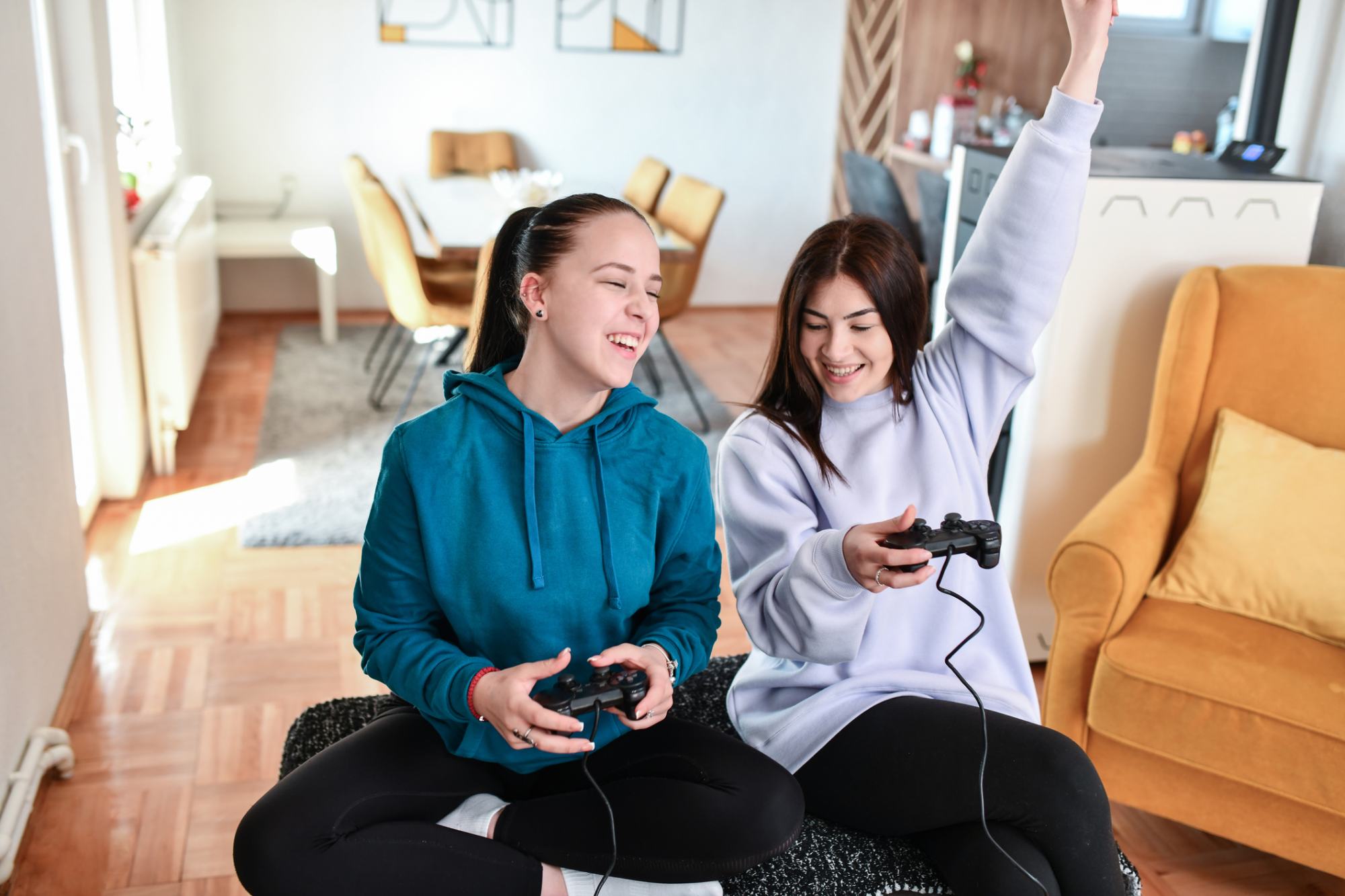
A group of researchers published a comprehensive review in the journal Nutrients of scientific studies devoted to the impact of video games on everyday habits. The paper’s central takeaway is unexpectedly balanced: the effect of gaming cannot be described as unequivocally positive or negative. Everything is determined by how, when, and why a person picks up a controller or sits down at a keyboard.
Practical implications of the review and the scale of the phenomenon
The authors examined four key health domains: sleep, diet, physical activity, and psychosocial stress. Particular attention is paid to how these factors can reinforce one another, forming complex feedback loops. Given that there are more than 3.3 billion gamers worldwide and leisure screen time continues to grow, the practical value of such data is hard to overstate.
Data collection methodology
Studies were identified via targeted searches in the PubMed and Google Scholar databases conducted from December 2025 to February 2026. The publication coverage spanned the period from 2000 to 2025, and only English-language works were considered. The sample included experimental, longitudinal, and cross-sectional studies, as well as systematic reviews and meta-analyses. Grey literature, conference abstracts, and non-peer-reviewed sources were excluded to maintain methodological rigor.
A complex, bidirectional relationship
The review showed that the relationship between video games and health is shaped by many variables: age, game type, player motivation, and whether gaming is primarily evening-based, social, competitive, or problematic. It is important to distinguish between the findings reported in the included studies and the interpretations offered by the review authors themselves.
Later sleep onset and poorer nighttime sleep
Data from many studies of different designs indicate statistical associations between evening and prolonged gaming and a range of negative sleep outcomes. These include: later sleep onset, reduced sleep quality, increasing daytime fatigue, and reduced performance. At the same time, these are correlations, not evidence of a single “sole cause” in every case.
A separate issue remains violent video games, which raise concerns among parents and educators about negative effects not only on sleep, but also on children’s mental health overall.
“Mindless” snacking and disrupted eating patterns
Gaming sessions are often accompanied by skipping proper meals, late dinners, increased consumption of high-calorie snacks and sugary drinks. The mechanism here resembles the “movie-theater popcorn” effect: attention is focused on the screen, and satiety cues take a back seat, which leads to an increase in overall energy intake.
Sedentary nature and the displacement of movement
The vast majority of games involve minimal physical activity. Frequent players show less movement during the day due to the so-called displacement effect, when gaming time replaces potential hours of physical exercise. Active video games (exergaming) can improve fitness indicators, but long-term engagement with them remains limited.
Stress relief and social connection—alongside risks
For a significant share of players, video games serve as an emotional pressure valve: they help reduce stress, improve mood, and maintain social contacts. However, with excessive involvement, gaming risks turning into a maladaptive coping strategy that, rather than addressing problems, only masks them and worsens overall well-being.
Underlying mechanisms
The authors identify several pathways explaining the patterns found:
• suppressed melatonin production under the influence of blue light from the screen;
• cognitive and emotional arousal immediately before sleep;
• displacement of physical activity by gaming sessions;
• “mindless eating” amid deep immersion in gameplay;
• ready access to snacks and energy drinks in the gaming environment;
• in-game food advertising embedded directly in games.
A self-reinforcing cycle of mutual influences
The effects described do not exist in isolation. Poor sleep reduces the ability to regulate eating behavior and make healthier food choices. Low activity combined with excessive calorie intake increases the risk of weight gain. Evening gaming, snacking, and sleep deprivation can form a self-reinforcing cycle in which each element fuels the others.
A biopsychosocial framework instead of simplistic labels
The authors propose viewing what is happening through a biopsychosocial model, in which a player’s health is determined by a combination of biological, psychological, and social factors. Within this model, video games differ fundamentally from “general screen time” due to a high level of cognitive engagement, physiological arousal, and social interaction.
What limits the conclusions
The evidence base has a number of significant gaps. There are not enough long-term studies, and the metrics and study designs are heterogeneous. The narrative nature of the review does not guarantee comprehensive coverage of all available data. The language restriction (English only) limits the geographic scope of the conclusions. Finally, the rapid development of gaming technologies and habits makes older data less applicable to today’s realities.
Why you should not use gambling to reduce stress
Video games usually involve fairly long gaming sessions, so a large percentage of players use iGaming segment games as a tool for stress relief. They involve short rounds – up to one minute. The segment includes different entertainment formats, from classic slots to live dealer games, such as Andar Bahar. Live games are becoming increasingly popular because they provide a sense of presence.
Data, as confirmed to us by the authors of the site with a review of the aforementioned Andar Bahar, available if click here andarbahargames.com, indicate that modern players are increasingly choosing games requiring minimal active input. They allow them to simply focus on what is happening on the screen and de-stress. Similar games include Plinko or some gambling arcade games. But poker or other card games usually only stimulate mental activity and do not have such relaxing properties.
However, one should not forget the negative consequences of gambling – it tends to offer minimal benefit while causing disproportionate harm.
The balance between enjoyment and health has yet to be found
Video games can support emotional relief and social ties, but with excessive use—especially in the evening—they are more often associated with sleep disturbances, unhealthy eating behaviors, and reduced physical activity. The authors call for long-term studies and the development of approaches to fostering healthier gaming habits. The potential of active games and certain formats for different age groups, including older adults, remains understudied, but is a promising direction.